
Biomechanical Tattoo — Ideas & Designs
Le style de tatouage biomécanique crée l'illusion de la peau déchirée ou pelée pour révéler des structures mécaniques, cybernétiques ou organiques complexes en dessous. Inspirés par l'art emblématique de H.R. Giger et la franchise Alien, les tatouages biomécaniques mélangent l'anatomie organique avec des engrenages, des pistons, des câbles et des circuits. Ce style exige une compréhension magistrale du rendu tridimensionnel et de l'anatomie, car les pièces biomécaniques doivent s'intégrer parfaitement à la musculature et à la structure osseuse réelles du corps.
Draw your own sketch
FreeNo sign-up · 30–60 seconds
1Describe the idea
Biomechanical Tattoo — Design Gallery
Related Styles
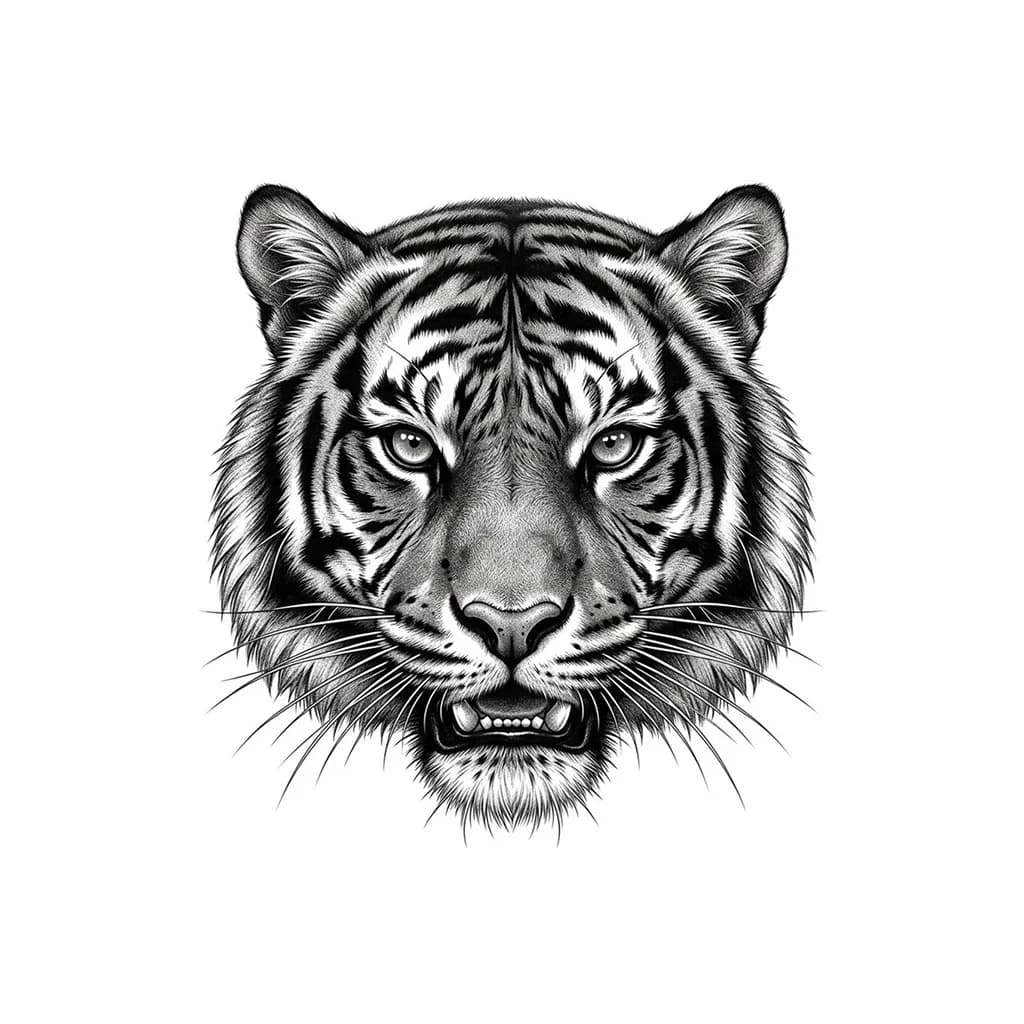
Realism
Le style de tatouage réalisme vise à reproduire des sujets avec une précision photographique, capturant chaque détail, o...
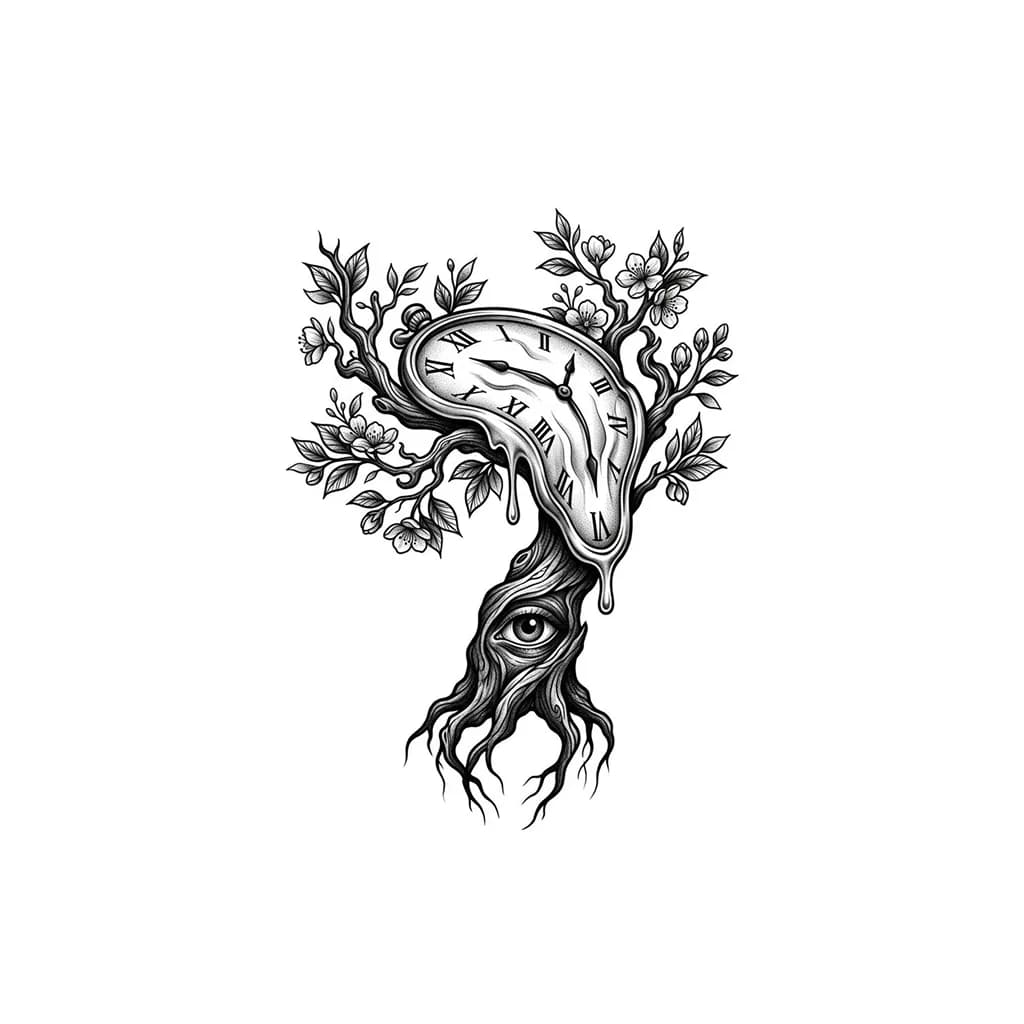
Surrealism
Le style de tatouage surréaliste apporte des images impossibles et oniriques sur la peau, s'inspirant de maîtres comme S...

Blackwork
Lo stile di tatuaggio blackwork utilizza solo inchiostro nero per creare design audaci, grafici e ad alto contrasto che ...